
Selling in a cooling market
When the property market starts to cool, sellers often worry about one thing above all else: Will I still get the price I want?
The good news is that properties still sell in cooling markets every day. The difference is that the strategy needs to shift. What worked during a booming market, where buyers competed fiercely and homes sold quickly, doesn’t always work when conditions start to balance out.
With the right approach, you can still protect your price and achieve a strong result.
Price for the market you’re in
One of the biggest mistakes sellers make in a cooling market is pricing based on what homes were selling for three or six months ago.
Markets move quickly, and buyers are usually very well informed. They’re watching new listings, recent sales, and how long homes stay on the market. If a property is priced too high from the start, buyers may simply scroll past it online without even booking an inspection.
A well-priced property does something powerful: it creates competition.
When multiple buyers feel a home represents good value, it increases enquiry, inspections, and ultimately offers. In many cases, this competitive environment is what protects your final sale price.
First impressions matter more than ever
In a hot market, buyers sometimes overlook small issues because they feel pressure to secure a property quickly. In a cooling market, buyers tend to be more selective.
That means presentation becomes even more important.
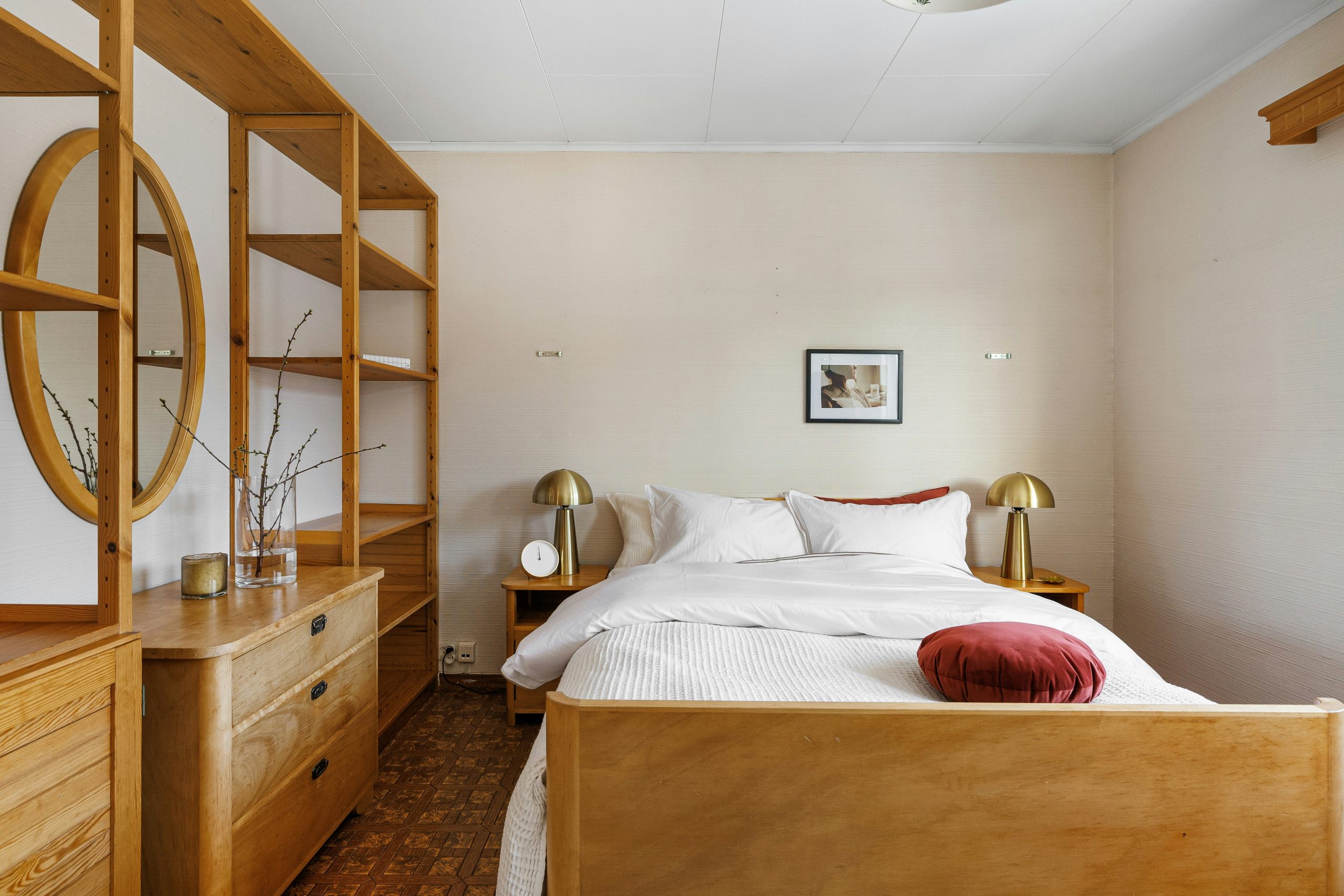
Simple improvements such as fresh paint, decluttering, minor repairs, and thoughtful styling can make a significant difference to how buyers perceive the home. When buyers feel a property is well cared for and move-in ready, they’re more comfortable paying a stronger price.
Think of it this way: when buyers have more choice, your property needs to stand out.
Strategic marketing is critical
In softer conditions, relying on passive marketing can limit your buyer pool. The goal is to expose your property to as many serious buyers as possible.
A strong marketing campaign should include high-quality photography, clear floorplans, engaging property descriptions, and targeted online promotion. The more visibility your property receives early in the campaign, the greater the chance of generating strong enquiry.
Timing also plays a role. The first two to three weeks of a listing are often when buyer interest is at its highest. Creating momentum during this period can have a major impact on the final result.
Be prepared for buyer negotiation
In a cooling market, buyers often feel more confident negotiating. That doesn’t mean you have to accept a lower price, but it does mean understanding how to handle negotiations strategically.
Flexibility around settlement dates, deposit terms, or minor conditions can sometimes help secure a better overall outcome. A strong negotiation process focuses on the full picture, not just the headline number.
Experienced agents often work hard behind the scenes to create competition between interested buyers, even when the market isn’t as heated.
Patience can pay off
Finally, it’s important to remember that cooling doesn’t mean crashing. Many markets simply move from fast to normal.
Homes may take a little longer to sell, and buyers may take more time making decisions. Sellers who remain patient, and stick with a well-planned strategy, often achieve excellent outcomes.
The bottom line
Selling in a cooling market isn’t about lowering expectations. It’s about adjusting your approach.
By pricing strategically, presenting your property at its best, investing in strong marketing, and navigating negotiations carefully, you can still protect your price and achieve a successful sale.
And in many cases, the sellers who adapt their strategy early are the ones who come out ahead.
How we can help
If you’re considering buying or selling a property and seeking to understand the current market conditions, why not chat with one of our friendly agents to understand how we can help?
Or feel free to enter your address below to get your instant property estimate.