
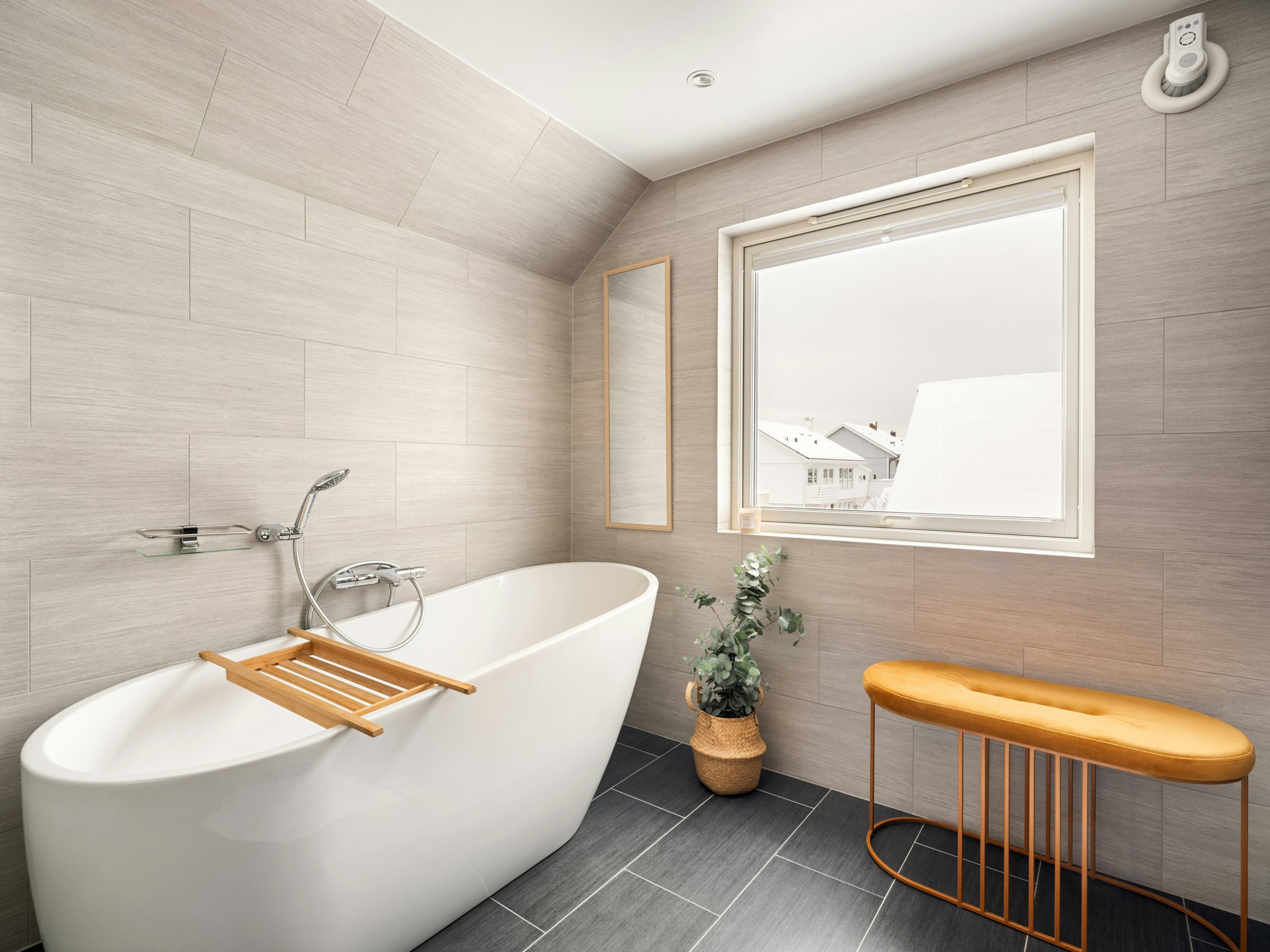
Why two similar rentals can feel so different
At first glance, two rental properties can look almost identical. Same suburb, similar size, comparable rent, and even a matching number of bedrooms and bathrooms. Yet when you step inside, one feels immediately comfortable, while the other just doesn’t.
That difference often has less to do with finishes or furniture, and more to do with subtle design and environmental factors that shape how a home feels to live in day to day.
Natural light changes everything
Light is one of the most powerful influences on how a space feels. Properties with good natural light tend to feel warmer, more open, and more inviting, even when they’re smaller.
Orientation plays a major role. North-facing living areas typically receive more consistent daylight, while west-facing rooms can become uncomfortably hot in the afternoon. Poorly positioned windows may leave rooms feeling dark or requiring artificial lighting throughout the day.
Two properties with the same floor area can feel completely different simply because one captures light better than the other.
Noise is often overlooked
Noise rarely shows up in a listing description, but it has a huge impact on liveability.
Traffic, neighbouring units, nearby construction, lifts, or shared walls can all contribute to background noise that becomes noticeable over time. A property that looks perfect during a short inspection can feel very different at night, early morning, or during peak traffic hours.
Even internal noise matters. Thin walls, echoing hallways, or poor sound insulation can affect privacy and comfort, especially in apartments or townhouses.
Orientation affects comfort and energy use
Beyond light, orientation also influences temperature, airflow, and energy costs.
Homes that catch natural breezes are often more comfortable and require less reliance on heating or cooling. Poor orientation can lead to rooms that feel stuffy in summer or cold in winter, driving up power bills.
Bedrooms facing busy roads or shared driveways may also feel less restful, even if the rest of the property is quiet.
These factors don’t always stand out during inspections, but they strongly shape how a home feels over time.
Floor flow shapes daily life
Floor plan design has a surprisingly big impact on how practical a rental feels.
A well-designed layout allows for easy movement between living spaces, logical placement of bedrooms, and a sense of separation between noisy and quiet areas. Poor flow, on the other hand, can make a property feel awkward or cramped, even if the square metreage is generous.
Narrow hallways, poorly placed doors, or living areas cut off from natural light can all affect how the space is used and enjoyed.
The accumulated effect
Individually, these elements might seem minor. Together, they shape daily routines, comfort levels, and overall satisfaction with a home.
That’s why two rentals with similar features and price points can deliver very different living experiences. One supports rest, ease, and comfort. The other slowly creates friction, without an obvious reason why.
Looking beyond the checklist
When assessing a rental, it helps to look beyond bedroom counts and finishes. Paying attention to light, noise, orientation, and layout can reveal a lot about how the property will feel long-term.
For property owners, understanding these factors can also explain differences in tenant retention and feedback between seemingly similar properties.
Because in the end, liveability isn’t just about what a home has, it’s about how it feels to live in.
How we can help
Our experienced property managers pride themselves on establishing great relationships with both rental occupiers and owners.
We manage every property as if it were our own and you can learn more about our property management services here.
Alternatively, if you are looking to rent a property, you can view the properties we currently have available here.
Switch to us
Tell us about you and your property and well take care of the rest.